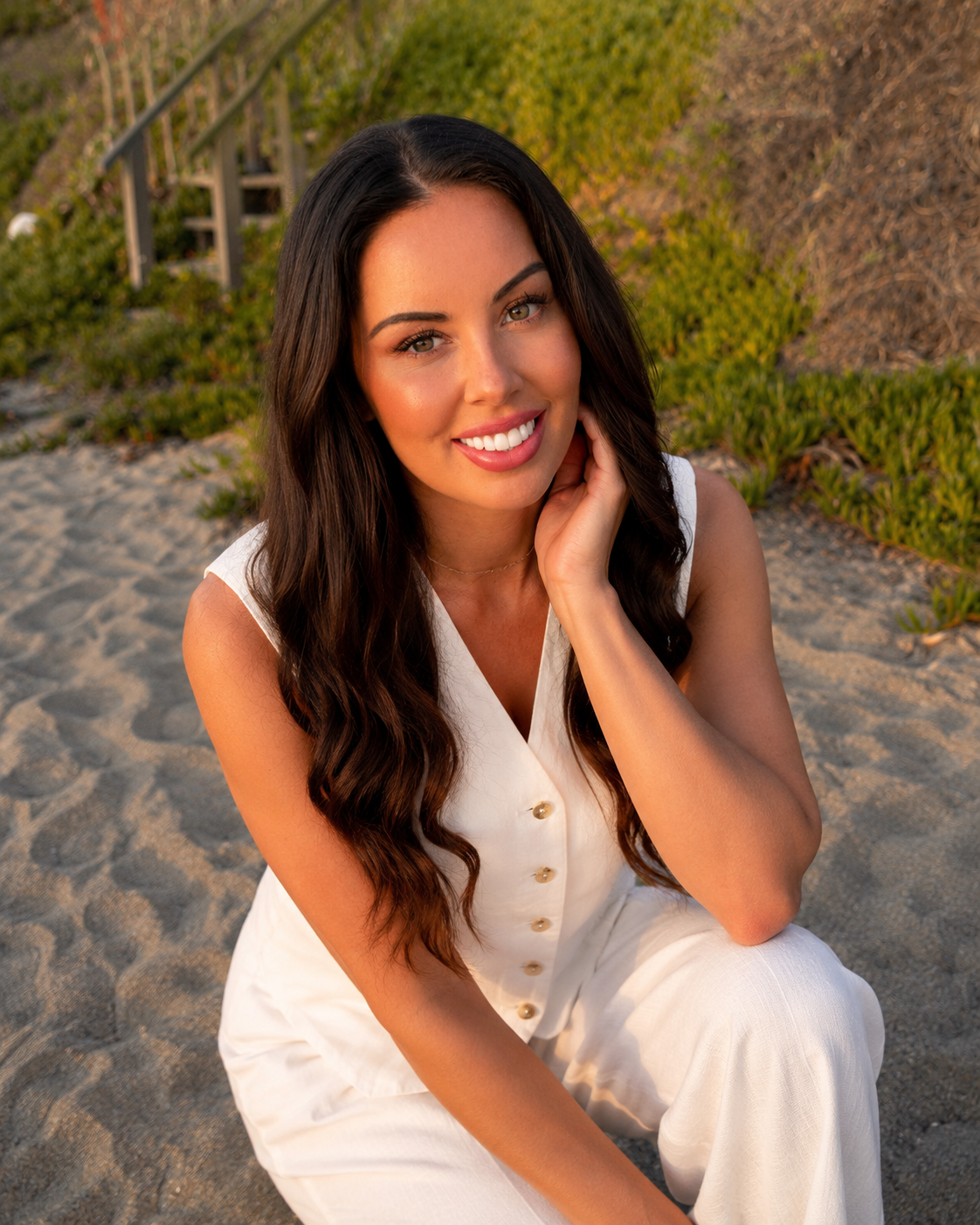
My path to becoming a therapist was not linear, and I would not have it any other way. I earned my Master’s in Clinical Psychology from Pepperdine University, where I graduated with honors. Before that, I called Boston home and attended Suffolk University while working as a nanny to put myself through school. Those early experiences shaped my resilience, empathy, and belief in the importance of showing up, even when life feels hard.
Before becoming a therapist, I spent more than a decade working in entertainment marketing. Although my life looked exciting from the outside, I was quietly struggling with severe anxiety. Therapy changed everything. It gave me tools to heal and helped me understand myself in ways I had not thought possible. That experience inspired me to help others find their own path toward healing, clarity, and relief.
I began my clinical work at the Sandy Segal Youth Center/Venice Family Clinic, one of the largest free clinics in the country, and later supported students in underserved schools throughout Los Angeles at Counseling Partners of Los Angeles. Today, I specialize in helping teens and young adults heal from anxiety, complex trauma, emotional intensity, identity challenges, and painful relationship patterns.
Many of my clients are thoughtful and insightful. They may understand why they feel the way they do but still feel stuck, overwhelmed, or unsure how to create lasting change. I integrate Internal Family Systems (IFS), also known as parts work, DBT, and trauma-informed care to help clients understand their protective patterns, regulate their nervous systems, and develop a more compassionate relationship with themselves.
I have completed advanced trauma training through the IFS Institute, the official training organization founded by Dr. Richard Schwartz. I am also deeply interested in the neurobiology of trauma, the connection between the mind and body, and the impact of social media on mental health.
My style is warm, genuine, and compassionate. I believe therapy should feel like a place where you can be fully yourself without fear of judgment. We will make space for the parts of you that feel anxious, guarded, overwhelmed, or unsure while helping you reconnect with the confidence and clarity already within you.
Outside the therapy room, I love spending time in nature, hiking, figure skating, and going to the beach with my dog, Miley. I currently reside in South Orange County, California.
If you are feeling stuck, overwhelmed, or simply curious about what comes next, I would be honored to hear your story.
Laura Picard, LMFT #135100